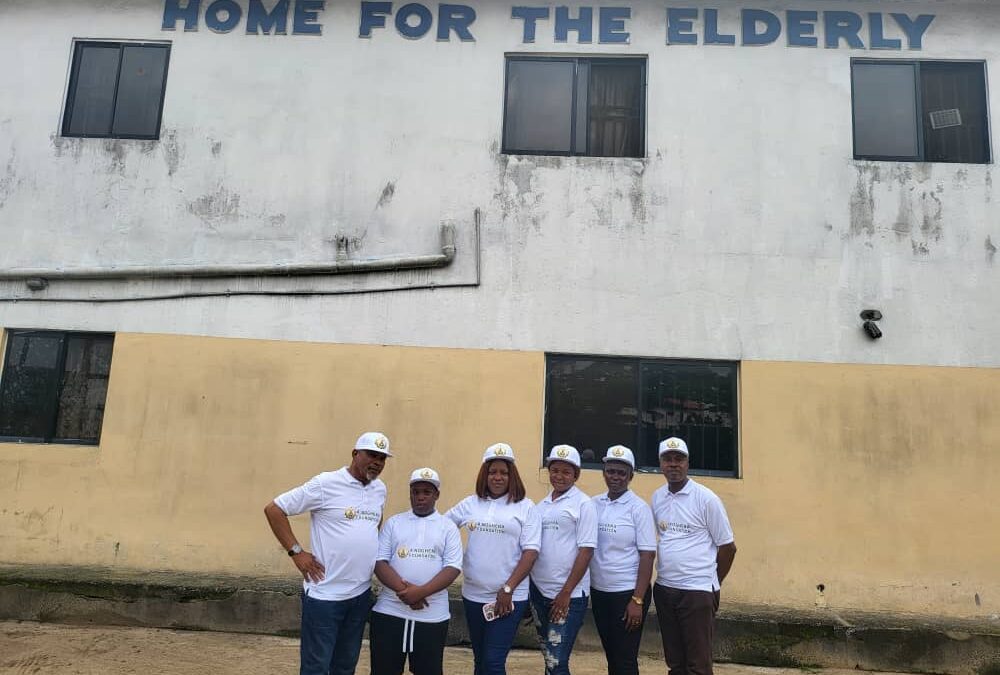
In the bustling streets of Nigeria’s urban centers and the quiet paths of its rural hamlets, a silent crisis is unfolding within the shadows of our national consciousness—the profound and growing plight of the elderly. For generations, the Nigerian social fabric was woven with the golden thread of the extended family system, a cultural fortress that guaranteed our seniors a place of honor, protection, and care in their waning years. To grow old in Nigeria was once a milestone celebrated with the assurance that the community would serve as a safety net. However, as modernization, economic instability, and urban migration reshape our society, that fortress is crumbling, leaving millions of aged citizens in a state of precarious vulnerability. The plight of the elderly in Nigeria is no longer a private family matter; it is a burgeoning national emergency that demands an urgent, collective response. When we look at the faces of the aged members of our society, we see the very architects of the present—the teachers, farmers, civil servants, and caregivers who built the foundations we stand upon—yet far too many are now facing their twilight years in isolation, poverty, and ill health. The A’Noghena Foundation for the Less Privileged has witnessed this reality firsthand, seeing how the indigent elderly are often the last to be considered in the distribution of social care and medical facilities.
The core of this crisis is rooted in the erosion of traditional support systems. As the youth migrate to cities or abroad in search of economic survival, the elderly are frequently left behind in ancestral homes with little to no financial support. In a country where the formal pension system covers only a fraction of the population—primarily those who served in the public sector or large formal corporations—the vast majority of Nigeria’s elderly, who spent their lives in the informal economy as petty traders, subsistence farmers, or artisans, have no retirement “nest egg.” For these individuals, aging does not mean a well-deserved rest; it means a terrifying descent into destitution. The struggle for daily bread becomes an insurmountable mountain, leading to chronic malnutrition and a weakened immune system. This economic abandonment is compounded by a healthcare system that is largely ill-equipped to handle geriatric needs. Chronic conditions such as hypertension, diabetes, arthritis, and dementia are not merely medical issues; they are thieves of dignity. When an elderly person in a grassroots community cannot access basic medical facilities or afford essential medications, their quality of life evaporates, replaced by a cycle of pain and despair.
Collectively, we must recognize that the plight of the elderly is a mirror reflecting our own humanity. We cannot claim to be a progressive society while our seniors are relegated to the fringes, surviving on the crumbs of a system that has moved on without them. The first step toward a solution is a psychological shift: we must return to the ethos of being our brother’s—and our elder’s—keeper. This begins with advocacy. We must collectively promote and advocate for the rights of the aged at the grassroots level, ensuring that local governments and community leaders prioritize geriatric welfare in their budgets and social programs. It is not enough to offer sporadic charity; we must demand institutionalized social care that recognizes the elderly as a high-priority demographic. The A’Noghena Foundation strives to act as a bridge in this regard, providing social care and act as caregivers to the aged who have been abandoned by the system, but the scale of the need requires a movement that transcends any single organization.
Our collective action must also focus on the integration of healthcare. We need to advocate for “Elder-Friendly” primary healthcare centers in every local government area, where the aged can receive subsidized or free screenings and treatments for age-related ailments. Mobile clinics must become a staple in our communities to reach those whose physical frailty makes travel impossible. Furthermore, nutritional support must be institutionalized. A community-led “Food Bank” system, supported by local businesses and individuals, can ensure that no senior in our neighborhood goes to bed hungry. This is not just about calories; it is about the message we send to our elders—that they are still seen, still valued, and still loved. Beyond physical needs, we must address the “poverty of loneliness.” The mental health of our elderly is suffering as social isolation becomes the norm. We can collectively combat this by creating community centers or “Elder Circles” where the aged can gather, share stories, mentor the younger generation, and engage in social activities. This preserves their mental acuity and gives them a reason to wake up each morning with a sense of purpose.
The youth of Nigeria hold a particularly powerful key to this transformation. By volunteering their time to check on an elderly neighbor, assist with chores, or simply sit and listen to a veteran’s story, they bridge the generational gap and revitalize the spirit of the community. Every act of service by a volunteer is a brick in the wall of a new, more compassionate Nigeria. We must also embrace technology and transparency in our giving. Supporting organizations like the A’Noghena Foundation, which is committed to the welfare of the indigent aged through the provision of necessary materials and financial aids, ensures that resources reach the most vulnerable directly. Ultimately, the plight of the elderly is a call to action for every Nigerian. It is a reminder that we are all on a journey toward the same destination, and the care we provide today is the seeds of the care we hope to receive tomorrow. By acting as caregivers, advocates, and providers, we can transform the twilight years of our seniors from a season of suffering into a season of grace, ensuring that as they reach the end of their long walk, they find a society waiting to hold their hands with the dignity and respect they so richly deserve.